
By the Numbers
Nationwide, the median price for a single-family home increased 1.7% year over year to $426,800. Prices increased by the same annual rate during the second quarter.
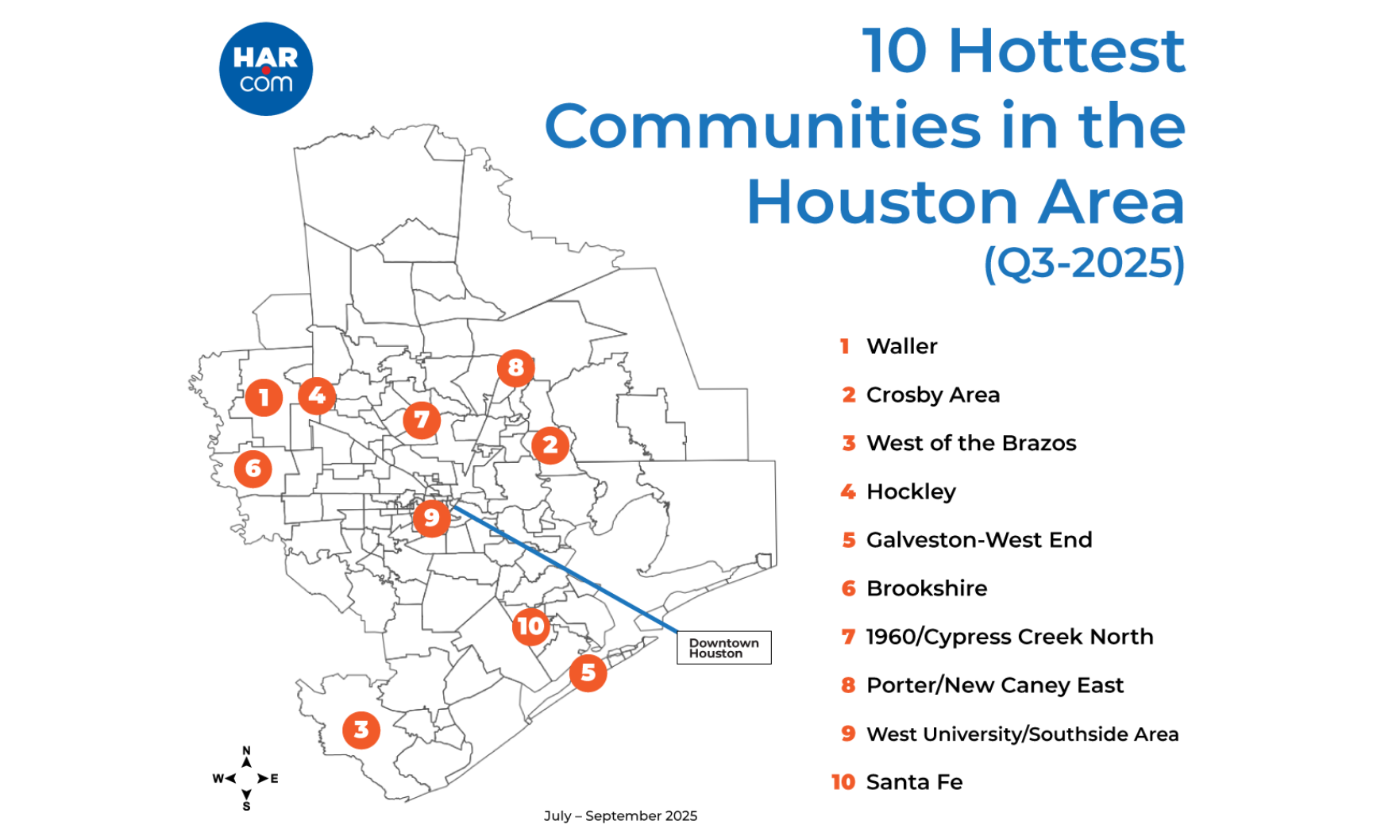
Waller’s average home price of $335,255 was down 13% annually and was well below the area average of $421,655, HAR said.
Given the rate of sales, the nation had a 4.6-month housing supply, up from 4.2 months a year prior.
Nationally, home sales in the 52 metro areas surveyed by RE/MAX increased 8.5% year over year for the fourth time in 2025, but declined 4.6% month over month.
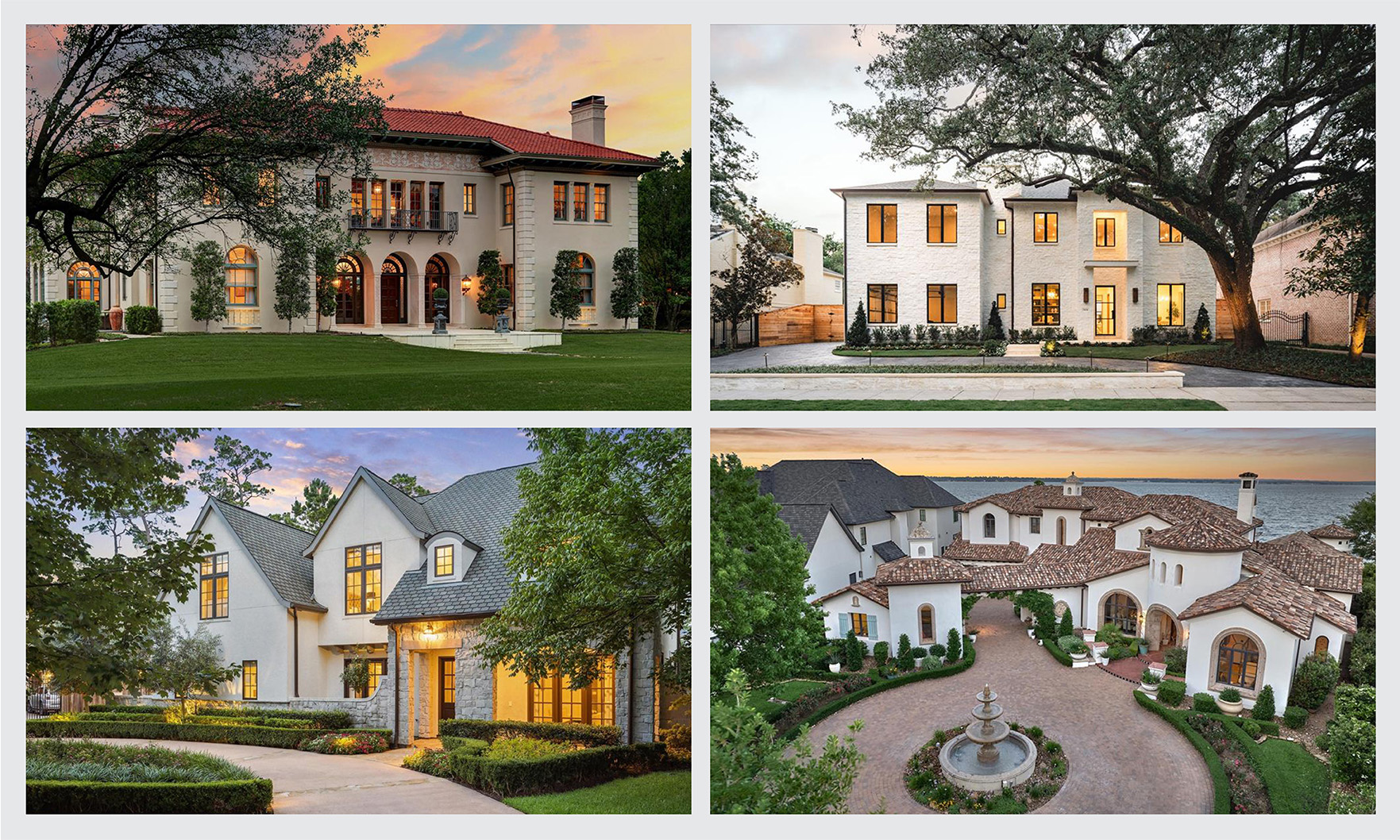
Agents from Compass RE Texas were responsible for listing six — and selling four — of the 10 most expensive homes sold in greater Houston last month.
The pace of home sales, meanwhile, remained at “multi-decade lows” even as affordability reached its most favorable level since 2022.
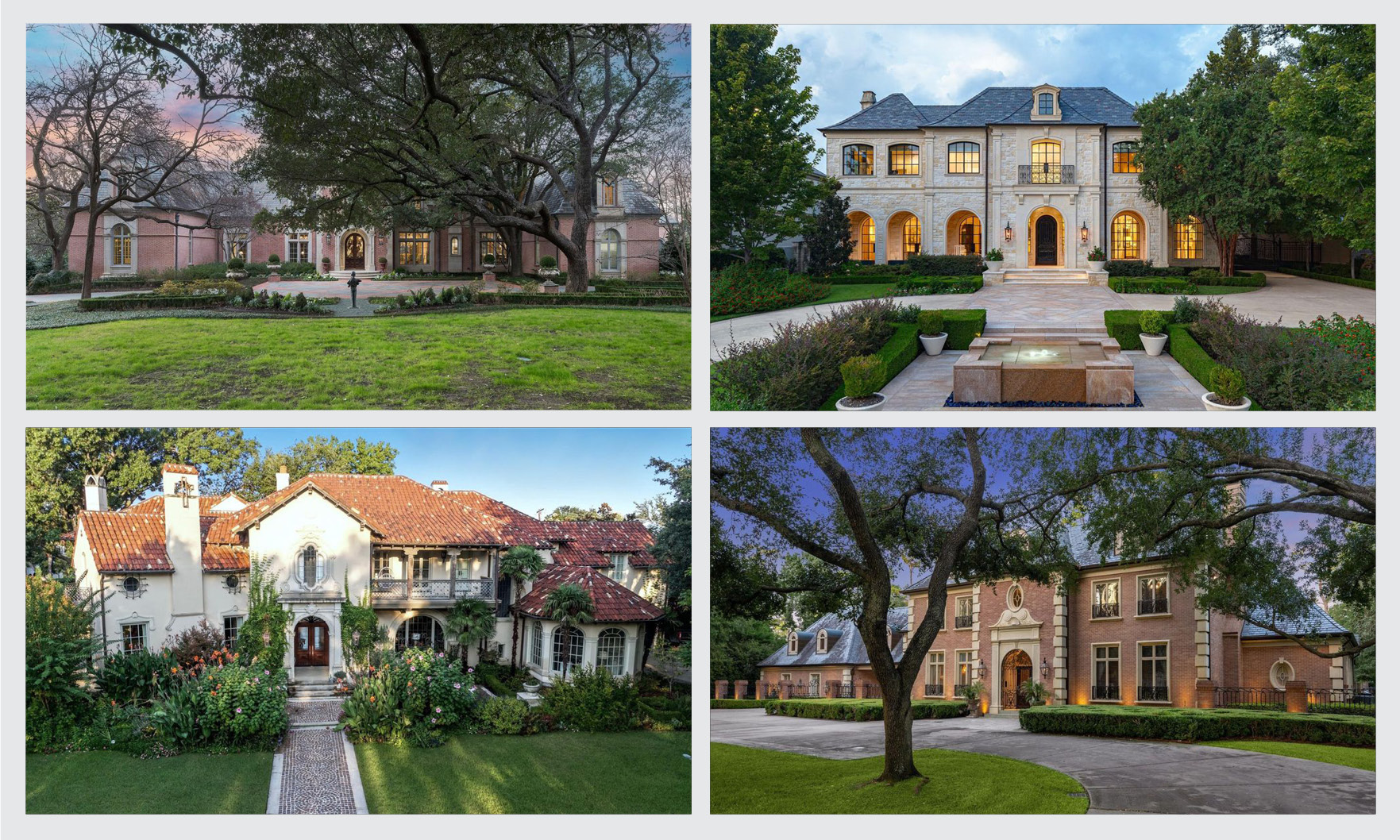
The priciest new listing in Texas this past month is a $22 million estate that spans 14,341 square feet — that’s over $1,500 per square foot.

The pace of new-home sales hit an annual rate of 800,000, its highest level since January 2022.
Fannie Mae also reduced its forecasts for home sales in 2025 and 2026.
The decline in sales came as a 17-month run of year-over-year increases in new listings came to a close.

The move was widely anticipated and is expected to be followed by additional cuts this year.
The jump in mortgage activity was driven in large part by refinancings, which surged 58% in the week ended Sept. 12.
At the same time, completions of new single-family homes were on the rise last month, according to federal statistics.

The National Association of Home Builders said its monthly builder-confidence survey indicated rising optimism that lower interest rates could spur new-home buying activity.
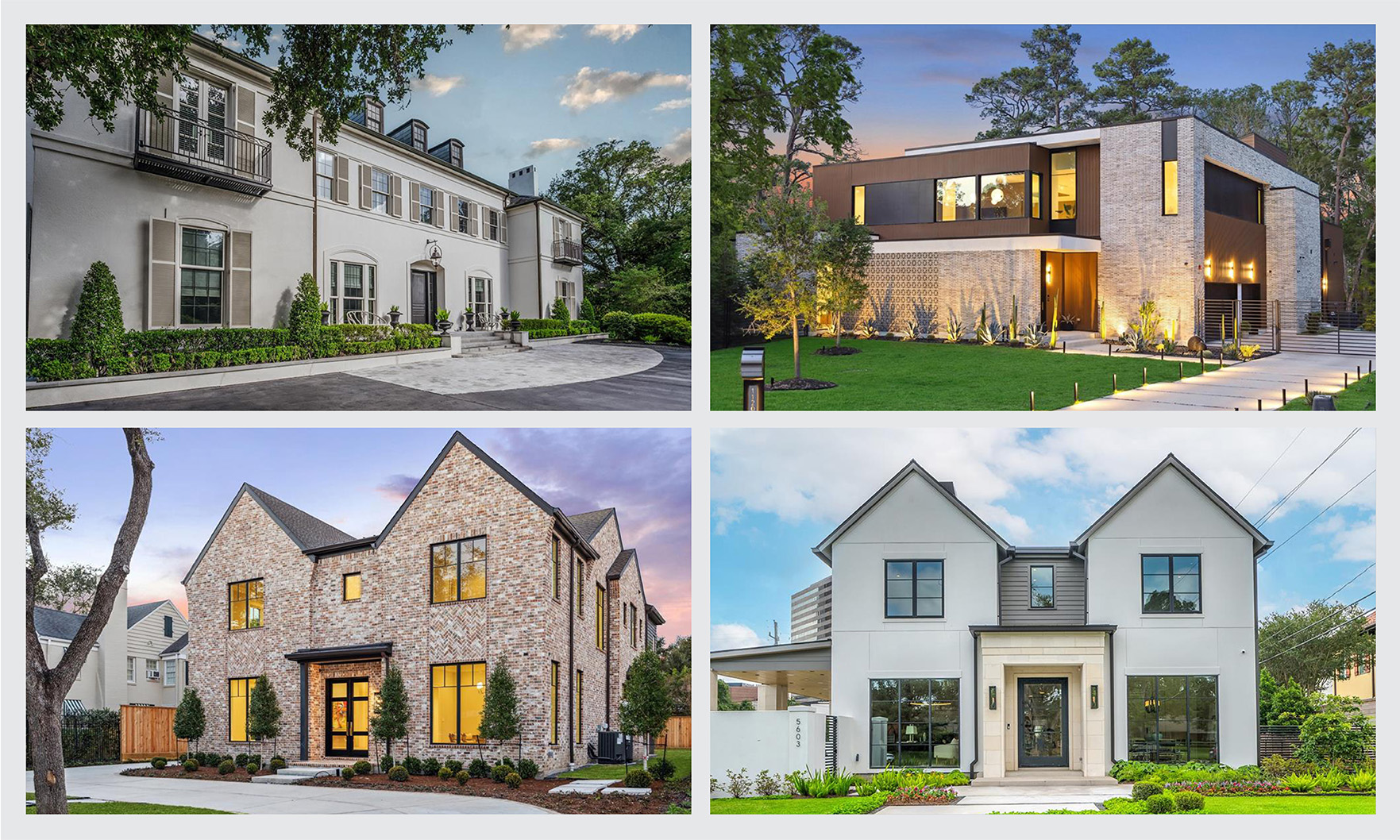
Nancy Almodovar, founder and CEO of Nan and Company Properties, worked as both the listing and buying agent for August’s most expensive greater Houston home sale.
The surge comes as the rate on a 30-year fixed-rate mortgage fell to its lowest level since October 2024.