
Current Market Data

Pending and closed listings dropped while new listings stagnated in Houston during the week ending March 2.
Stronger sales and rising inventory show Houston’s market gaining momentum, pointing to continued buyer interest this spring.
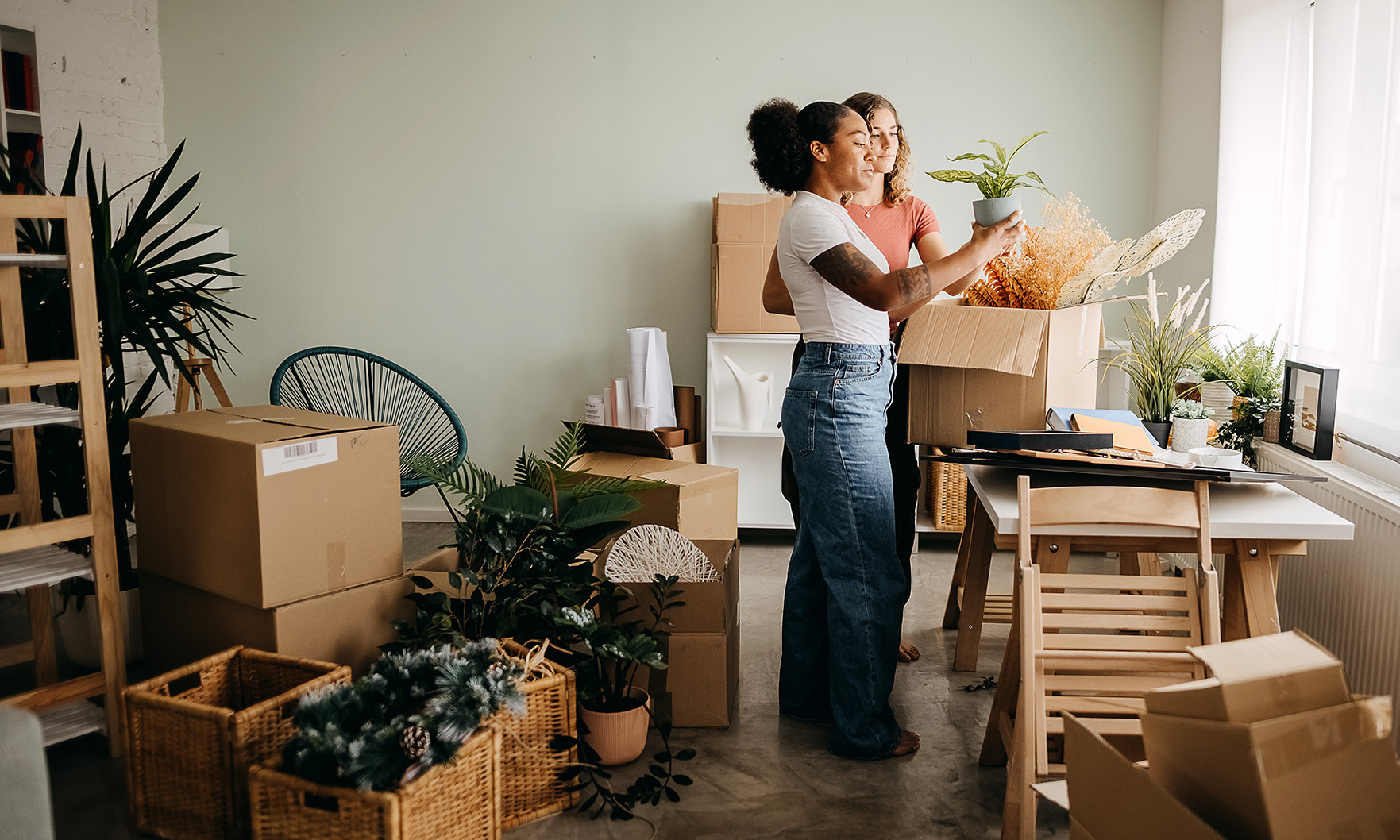
Many Americans are planning a move this year, driven by lifestyle changes, family needs and homeownership goals, according to the 2026 State of Moving Forecast Survey by American Home Shield.
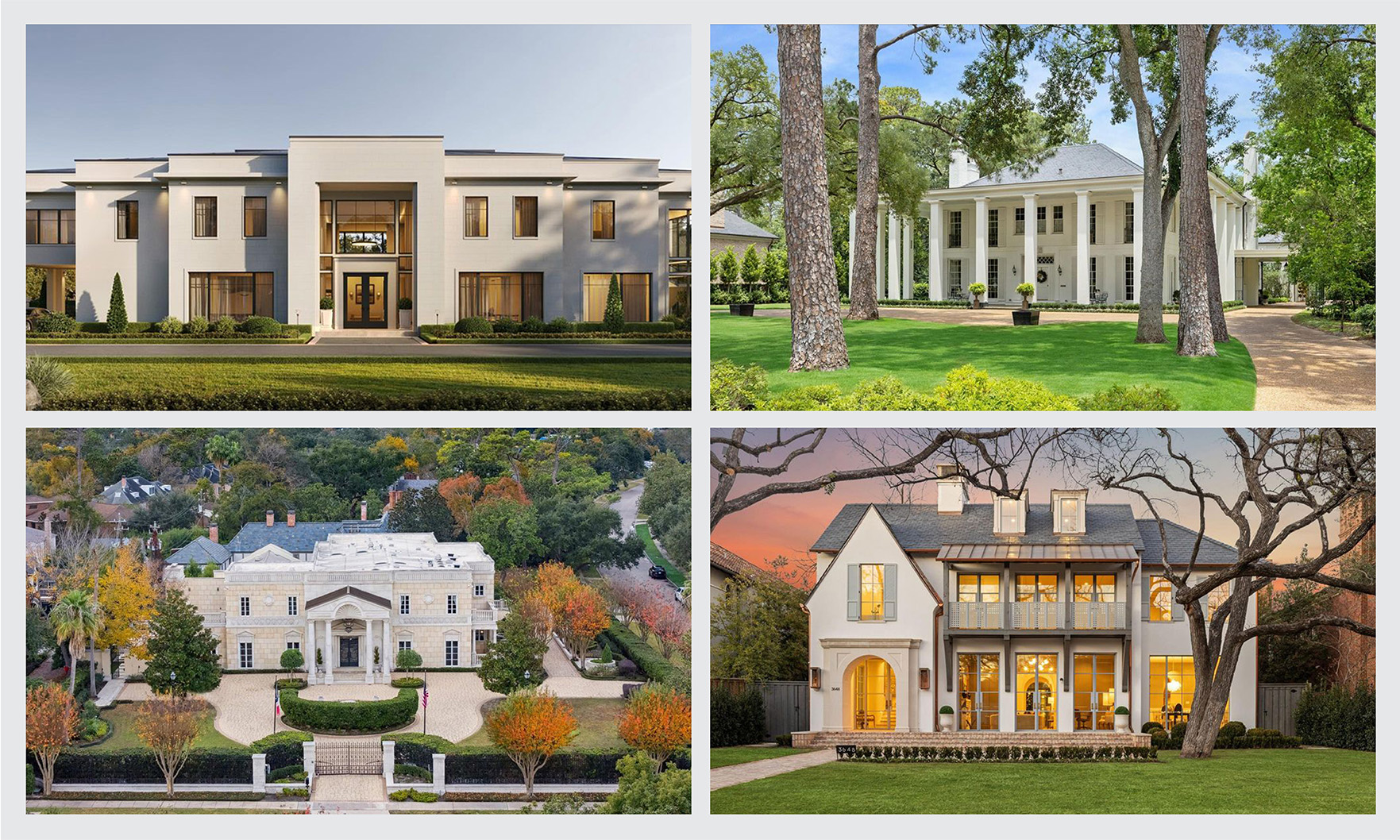
Two homes listed by Compass agent Robert Bland top February’s ranking of the 10 most expensive new listings in Texas.
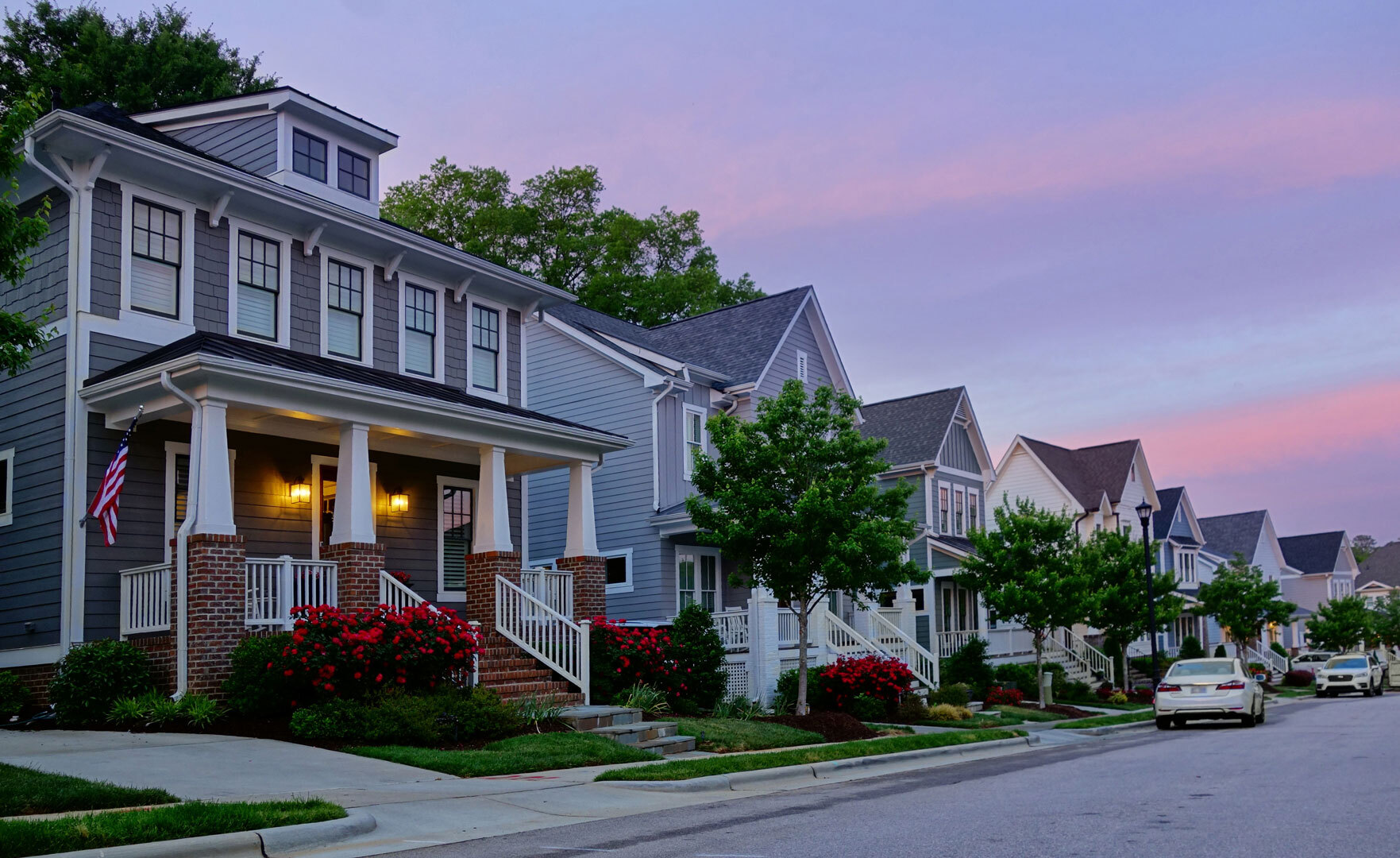
Existing-home sales decreased by 8.4% in January, according to the National Association of REALTORS®’ Existing-Home Sales Report.
Amid decreased sales, the average new-home price decreased 1% month over month from $400,111 to $396,723.
U.S. home sales declined 6% year over year and 32% month over month in January, according to the latest REMAX National Housing Report.
Affordability continues to be a challenge in housing, and a new report from the National Association of Home Builders shows how that’s influencing both buyers and builders in 2026.

Realtors helped sellers add 3,344 listings to the market, down from 3,378 new listings during the same week in 2025.
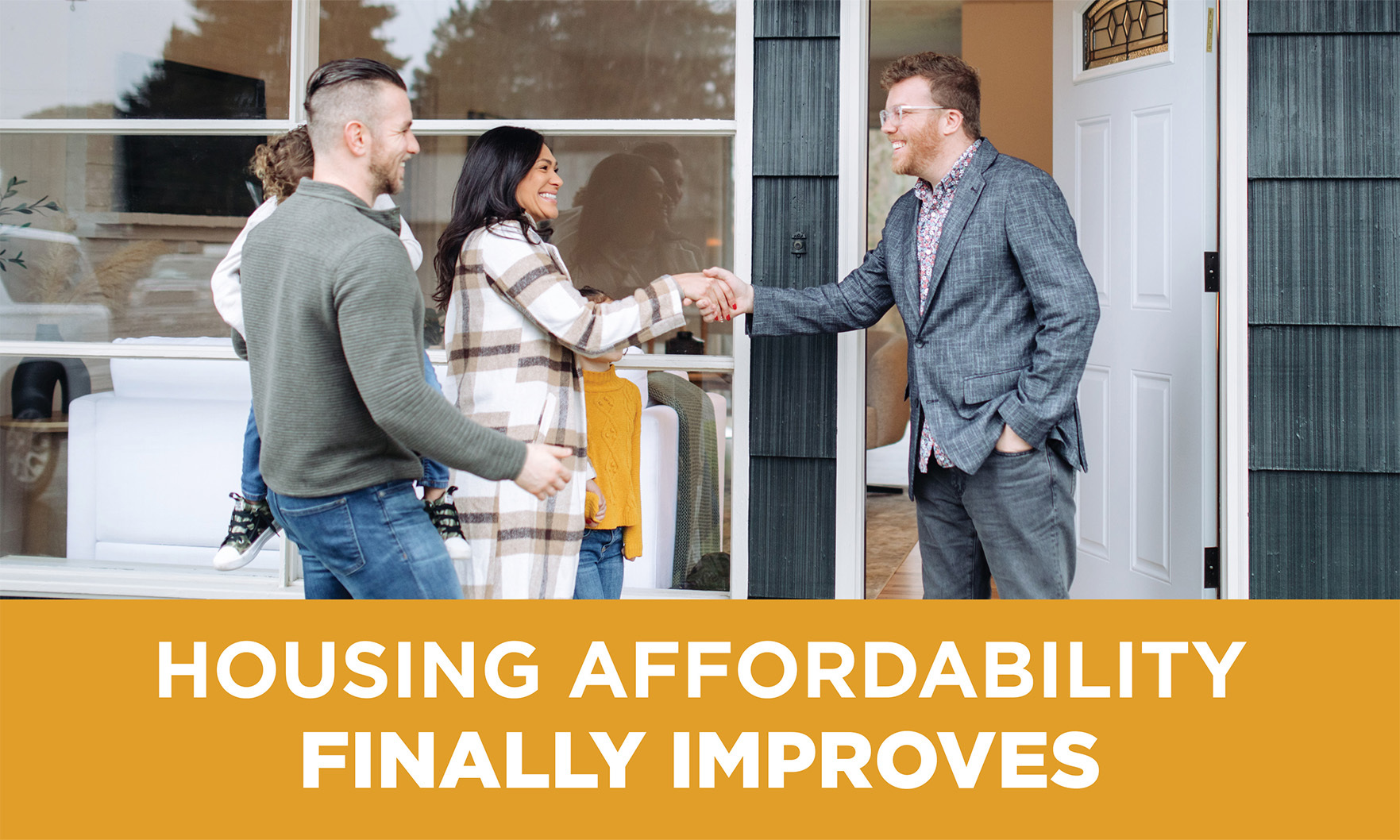
After five years of worsening, housing affordability has finally started to improve, according to a new Redfin study.
With mortgage rates approaching 6%, 5.5 million additional buyers that could not qualify for a mortgage one year ago would qualify at today’s lower rates, the National Association of REALTORS® said.
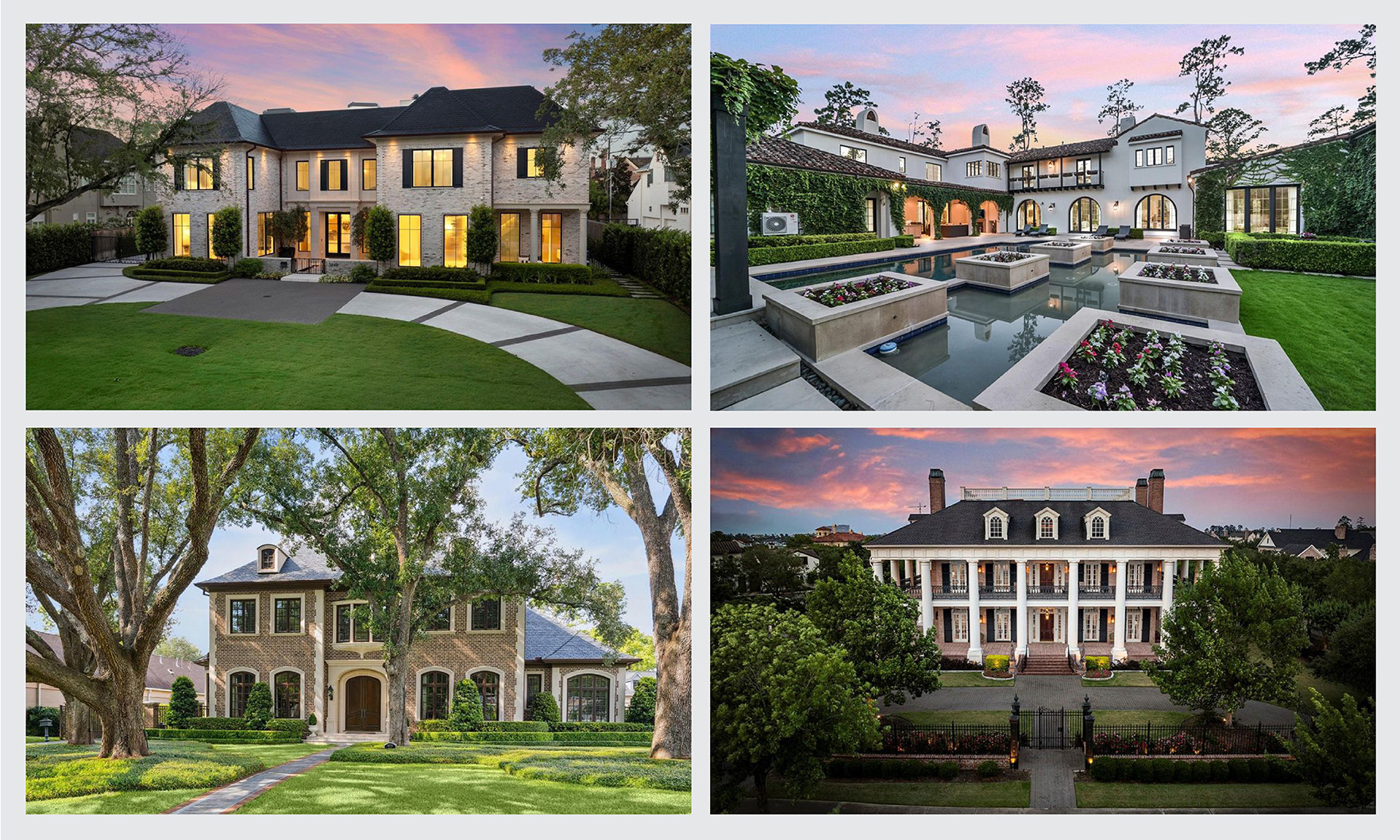
An estate on Chevy Chase Drive listed for $13 million tops the list of the 10 most expensive homes sold in greater Houston January.
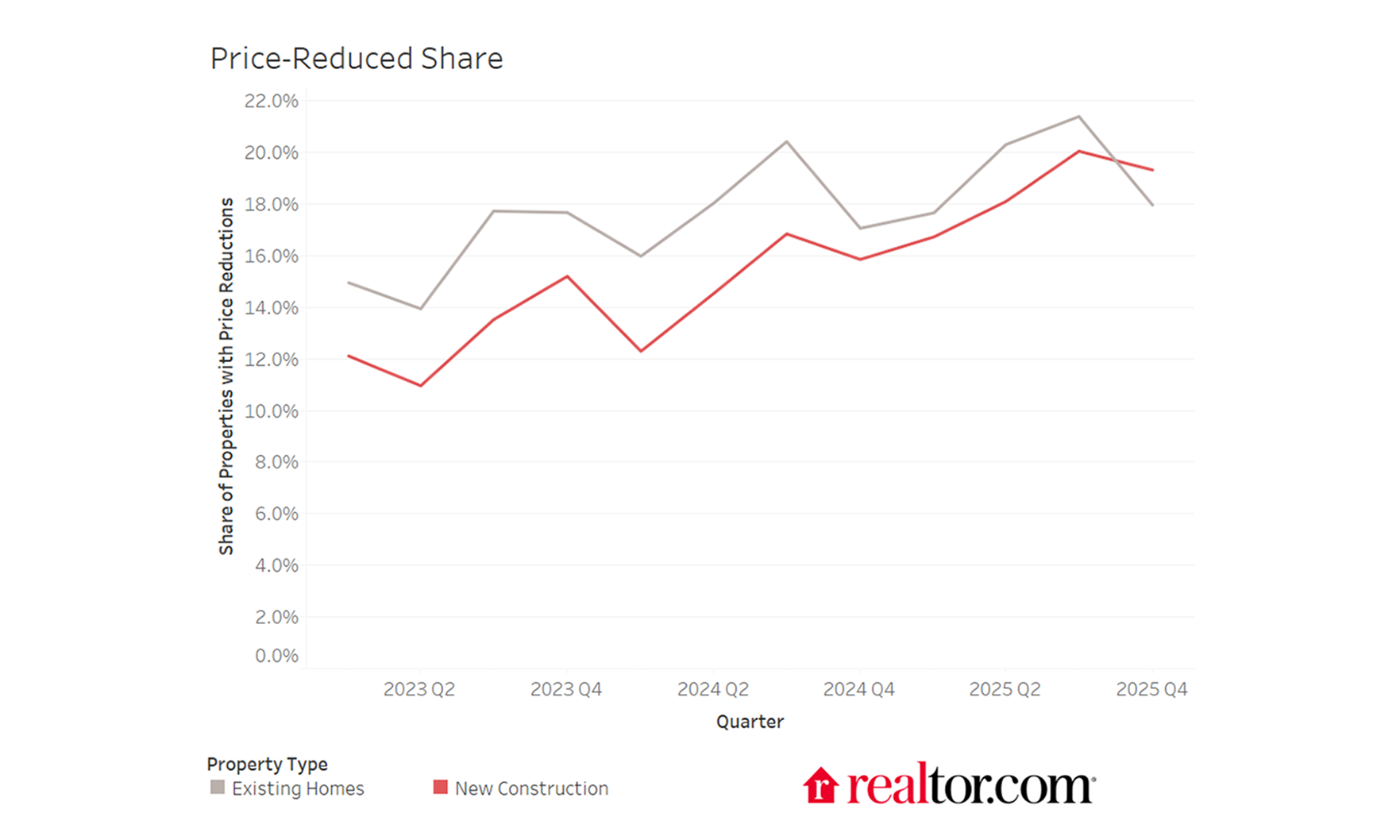
In a rare housing market shift, newly built homes saw price reductions more frequently than existing homes in late 2025 for the first time in recent history, according to a new report from Realtor.com.
Pending sales increased 8.5%, with 6,813 listings going under contract, indicating strong sales in the coming weeks.
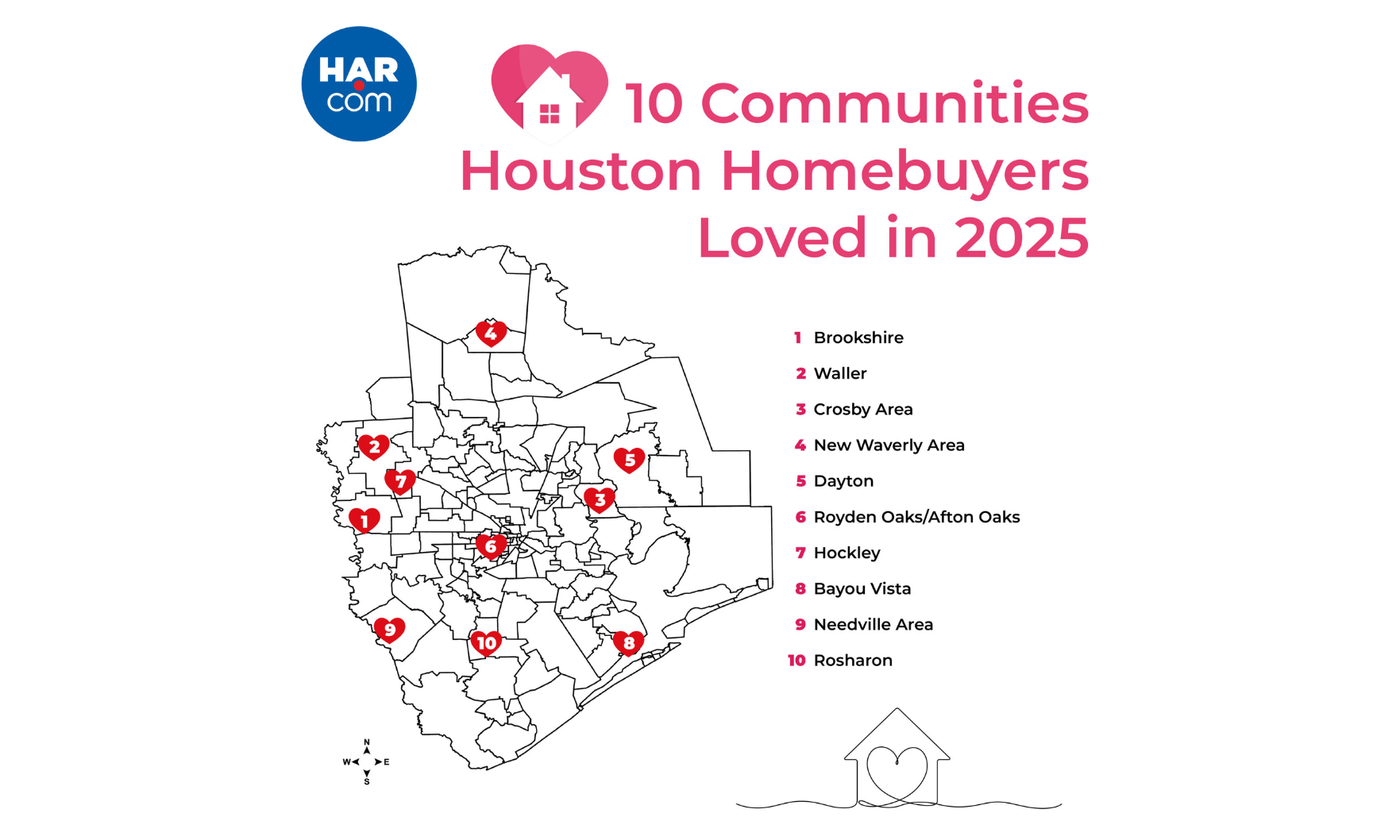
Transactions increased most in Brookshire, where sales were up 124.6% year over year and had an average sales price of $311,463.
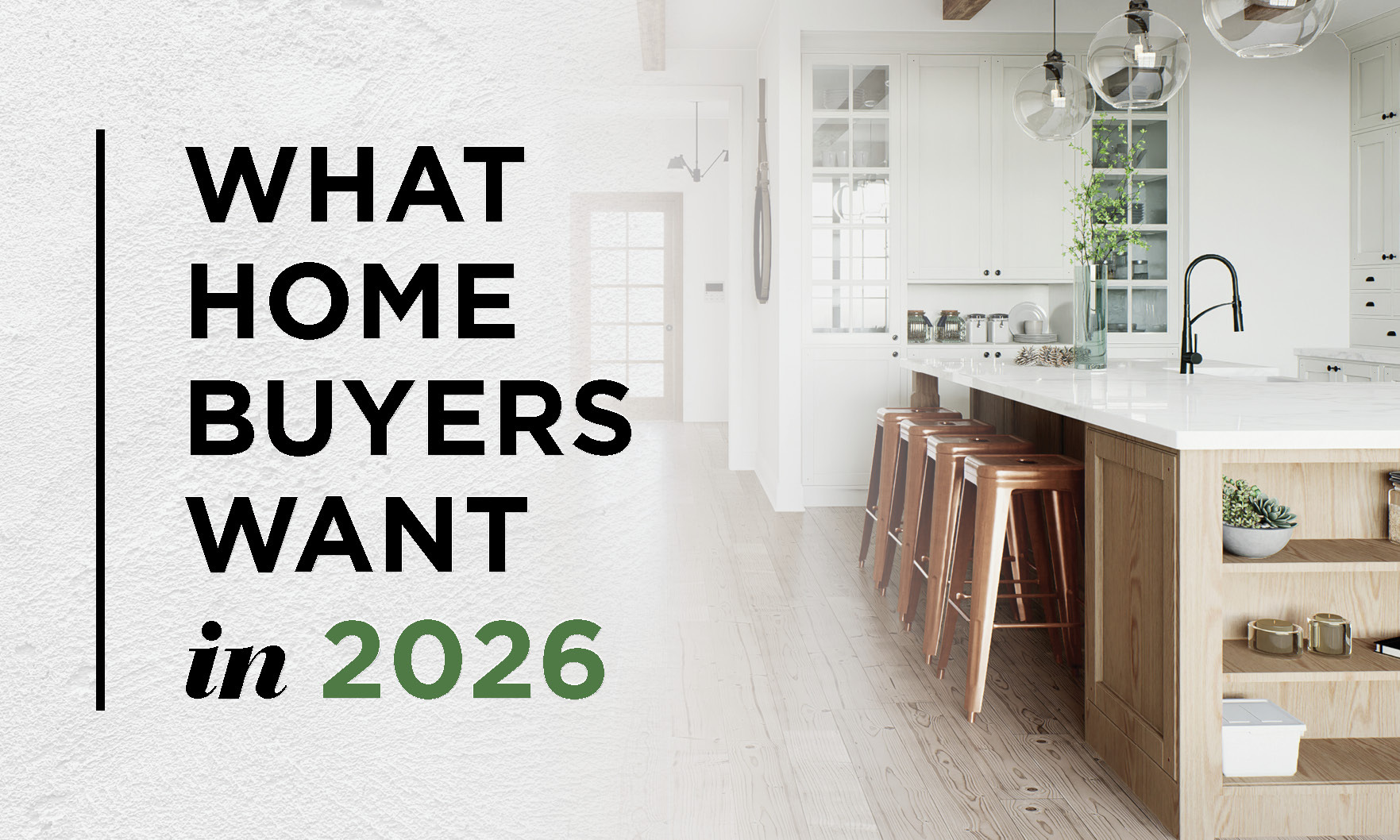
As the housing market continues to adjust, design and community strategy have become drivers of buyer preference, according to Jenni Nichols, vice president of design at John Burns Research and Consulting.